About the event
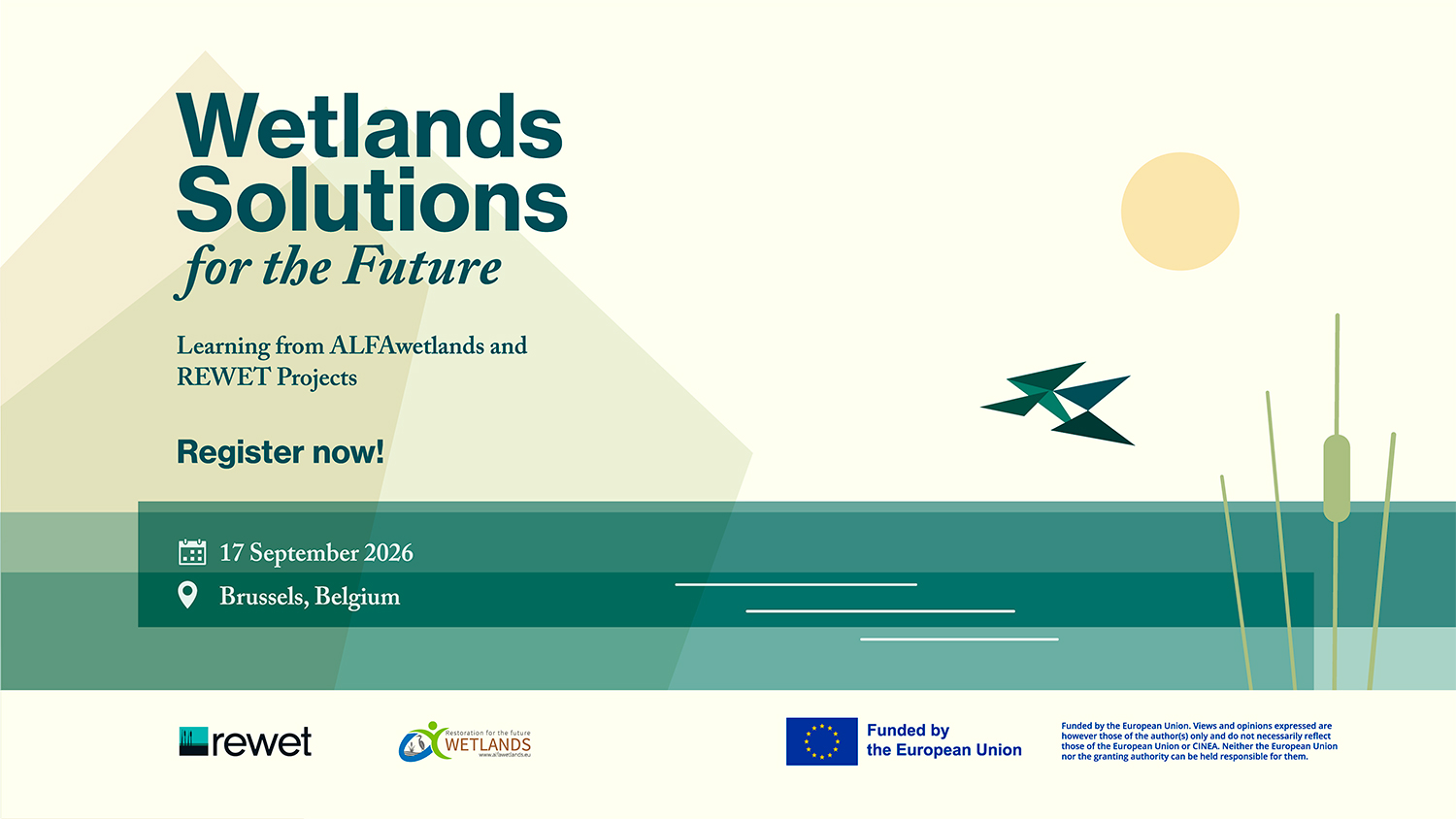
REWET and ALFAwetlands have joined forces to host their Final Conference: "Wetland Solutions for the Future: Learning from ALFAwetlands and REWET Projects", taking place on 17 September 2026 in Brussels, Belgium.
This joint event will bring together policymakers, researchers, practitioners, restoration experts, and other key stakeholders to showcase the achievements of both projects and explore the future of wetland restoration in Europe in the context of EU climate, biodiversity and water resilience policies.
At a time when Europe faces increasing environmental challenges, wetlands are emerging as essential allies in tackling climate change, halting biodiversity loss and strengthening ecosystem resilience. Through research, innovation and real-world demonstrations, ALFAwetlands and REWET have generated knowledge, tools and practical solutions needed to support large-scale wetland restoration and contribute to the implementation of European policy objectives. The event will feature:
- Key findings, innovations and policy insights from ALFAwetlands and REWET.
- Discussions on the role of wetlands in achieving Europe's climate, biodiversity and restoration goals.
- Research highlights, practical case studies and experiences from restoration activities across Europe.
- Opportunities to exchange ideas and network with experts and stakeholders from different sectors and countries.
Agenda
Event Programme
| 08:15 | Registration + coffee |
|---|---|
| 09:00–09:05 | Welcome and opening |
| 09:05–09:20 | Keynote – Scaling wetland restoration: The role of EU policy and investments |
| 09:20–11:00 | Session I Why wetlands matter for climate action (biodiversity/land use) |
| 11:00–11:30 | Coffee break |
| 11:30–12:15 | Session II Panel discussion Wetland restoration: Challenges and opportunities |
| 12:15–13:30 | Session III Scientific results: Key evidence to support wetland restoration |
| 13:30–14:30 | Lunch break |
| 14:30–16:30 | Session IV Wetlands tools practical session |
| 17:00–19:00 | Networking reception at the meeting venue |
Sessions & Speakers
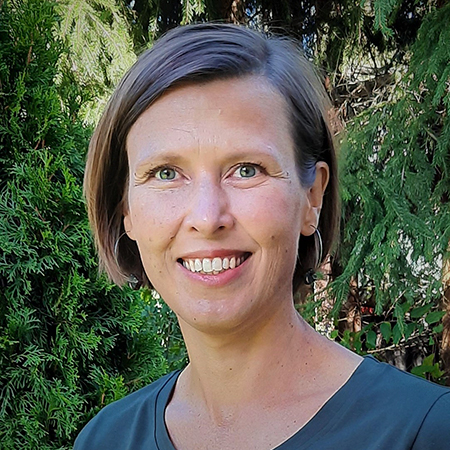
Emmi Haltia
Restoration of Wetlands: What Do Citizens and Landowners Think?
Natural Resources Institute Finland (Luke)
Emmi Haltia is a Senior Scientist at the Natural Resources Institute Finland (Luke). Her research focuses on forest policy and economics, with particular emphasis on forest owner and farmer behaviour, policy instruments and incentives for enhancing the provision of ecosystem services, and the monetary valuation of ecosystem services related to forests, agriculture, and peatlands.
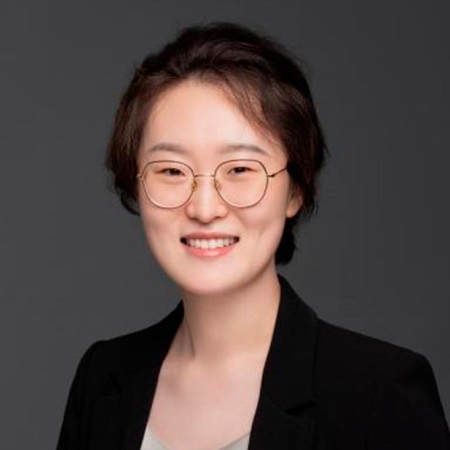
Vicky Jia
Restoring Organic Soils Under Agriculture: Cost-Effective Portfolios in The Context Of European Climate And Biodiversity Policies?
International Institute for Applied Systems Analysis
Vicky Jia is a researcher from the Integrated Biosphere Futures Research (IBF) Group of Biodiversity and Natural Resources (BNR) Program at International Institute for Applied System Analysis (IIASA). Her research interests include Nature-based Solutions (NbS), the impact of climate change on the land use and land use change (LULUCF) sector, and climate polices. Her current research involves applying the economic land use model, GLOBIOM, to investigate EU climate change mitigation pathways. Jia holds a Master's degree in Environmental Management from Duke University, and a Bachelor's degree in Geography/Environmental Studies from UCLA.
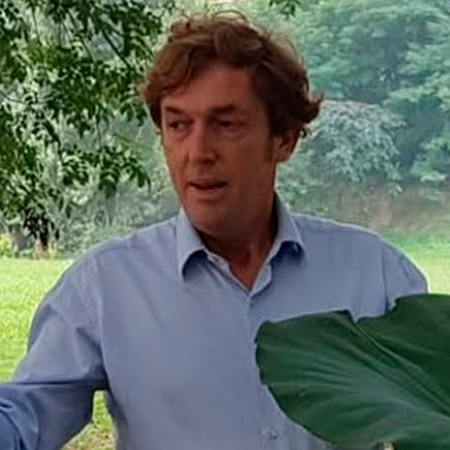
Marco Bartoli
From Pilot Restoration to Basin-Scale Renaturation: Lessons from the Po River Open Lab (REWET)
University of Parma
Marco Bartoli works at the Department of Chemistry, Life Sciences and Environmental Sustainability of the University of Parma, where he coordinates the Laboratory of Benthic Functioning (BeFun) and Aquatic Ecology. He is a biogeochemist and ecosystem ecologist, broadly interested in aquatic ecosystems and in how humans alter their functioning. He is focused on answering fundamental questions about energy flow and biogeochemical cycling of nutrients (nitrogen, phosphorus, and silica), carbon, and oxygen across the land-coastal continuum. In the last 25 years he has been involved as a partner or coordinator in national and international research programs. His research themes include eutrophication, algal blooms and primary production in aquatic environments, anoxia and greenhouse gas dynamics, interactions between microbial communities, macrofauna and macrophytes and the impact of agriculture, animal farming and aquaculture on aquatic environments.
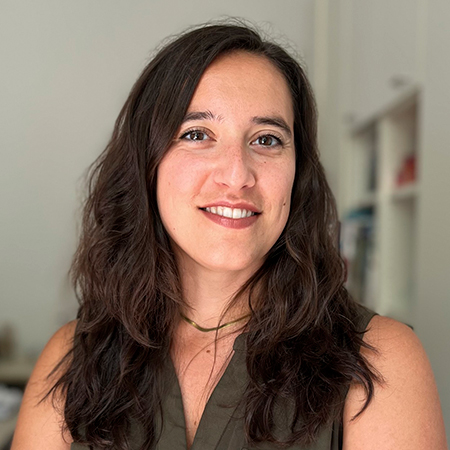
Chiara Montecorboli
From Pilot Restoration to Basin-Scale Renaturation: Lessons from the Po River Open Lab (REWET)
Po River District Basin Authority
Chiara Montecorboli graduated in Environmental Sciences from the University of Parma. Since 2020, she has been working at the River Po District Basin Authority (Italy), within the Water Quality, Biodiversity and Sustainable Development Department. Her work focuses on integrated water resources management, supporting the development and implementation of the River Po Basin Management Plan under the EU Water Framework Directive, with a primary focus on the monitoring and ecological classification of surface water bodies. Her activities also include river restoration, ecological flows, and freshwater biodiversity conservation, supporting the achievement of the Directive's environmental objectives.
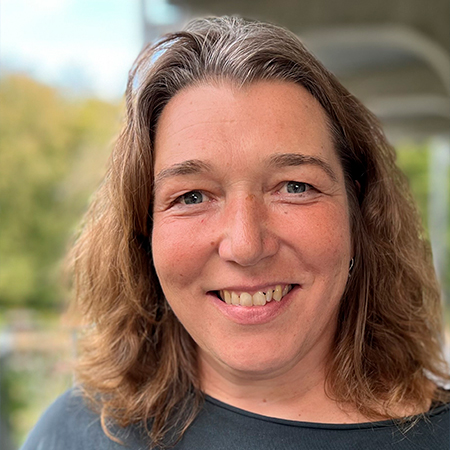
Sari Juutinen
Peatland Forest Restoration: Rottasniittu, Finland (ALFAwetlands)
Finnish Meteorological Institute
Sari Juutinen is an ecosystem ecologist working as a Senior Researcher at the Finnish Meteorological Institute. Her research explores the relationships between ecosystems, carbon cycling, and climate change, contributing to improving estimates of greenhouse gas exchange in northern ecosystems. Her work spans lakes, wetlands, and tundra environments, including terrestrial-aquatic interaction. Recent research has examined the role of lake vegetation and peatland drainage and rewetting on ecosystems’ carbon and greenhouse gas balances. Her work is based on extensive field observations combined with data analysis and remote sensing, and she collaborates closely with ecosystem modellers. She is also committed to mentoring early-career researchers.
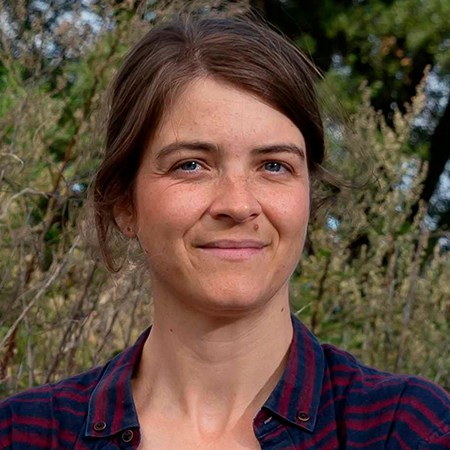
Magdalena von der Thannen
The (Successful) Story of A Restored Floodplain – A Case Study from The Morava River in Austria (REWET)
University of Natural Resources and Life Sciences Vienna
Dr. Magdalena von der Thannen is a Senior Scientist at the Institute of Soil and Water Bioengineering and Landscape Construction, at BOKU University. Her research focuses on Life Cycle Assessment, carbon balance assessment, wetland restoration and ecological engineering. She investigates the environmental performance and sustainability of restoration and engineering measures, with a particular emphasis on riparian ecosystems. Within the REWET project, she serves as Open Lab Coordinator, facilitating knowledge exchange and stakeholder engagement to support innovative approaches to wetland restoration and sustainable management.
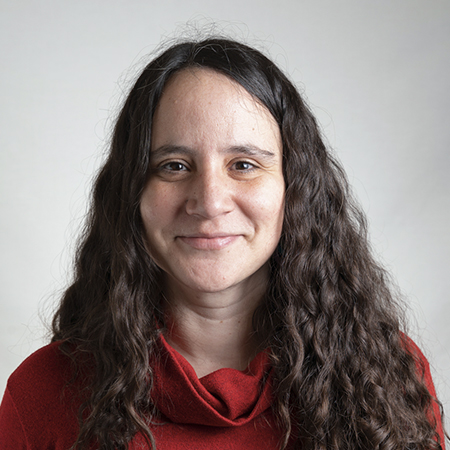
Sílvia Poblador
Coastal Wetlands, Les Madrigueres Spain (ALFAwetlands)
University of Barcelona
Sílvia Poblador is a soil biogeochemist whose research focuses on soil biogeochemical processes and greenhouse gas emissions from wetland ecosystems, with a particular emphasis on the nitrogen cycle. She is a member of the University of Barcelona team within the ALFAwetlands project. Sílvia is currently a Marie Skłodowska-Curie Actions (MSCA) Postdoctoral Fellow at CREAF, where she investigates soil carbon sequestration and nitrous oxide emission mitigation through enhanced silicate weathering.
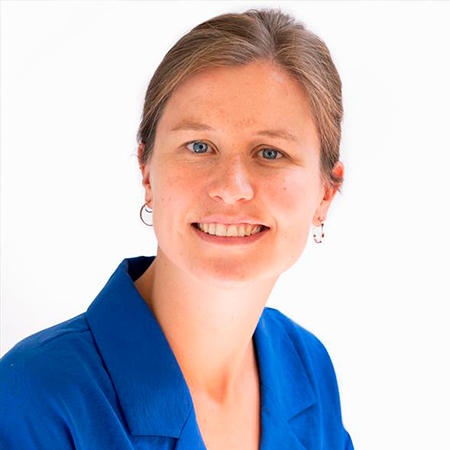
Hannah Porada
A Coalition of Voices: Policy Recommendations for Conserving and Restoring Europe’s Wetlands from Ambition to Action
International Union for Conservation of Nature-NL
Dr. Hannah Porada works at the intersection of environmental justice, nature conservation, policy, and community rights. She holds a PhD in Political Ecology from the University of Amsterdam, where her research examined water and environmental justice, the impacts of extractive industries, and coalition-building among environmental movements. At IUCN NL, she advances equitable conservation approaches that connect biodiversity protection, climate resilience, and community rights. Drawing on experience across Europe and Latin America, she bridges research, policy, and practice to promote inclusive environmental governance and ecosystem restoration.
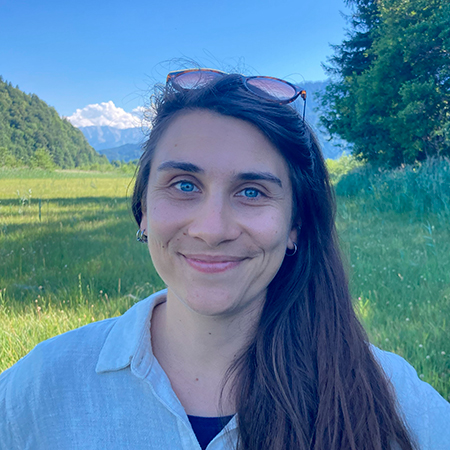
Marie Lorenz
A Coalition of Voices: Policy Recommendations for Conserving and Restoring Europe’s Wetlands from Ambition to Action
Michael Succow Foundation
Marie Lorenz is a scientific associate at the Michael Succow Foundation, Partner in the Greifswald Mire Centre. Trained as Landscape ecologist, she is working on peatlands and climate change, focusing on policy advocacy and participatory approaches. Her work in the ALFAwetlands project at the Living Lab Upper Peene Valley in Germany involves facilitating stakeholder engagement through co-creation processes and conveying local needs to political levels.
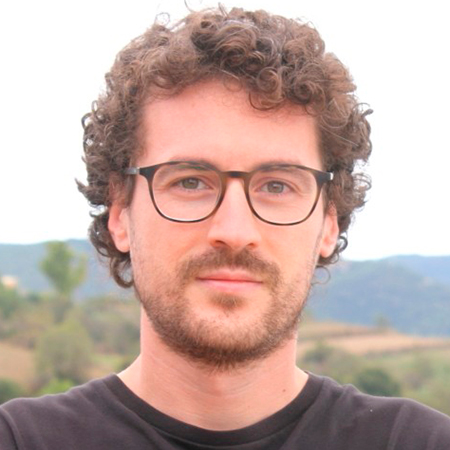
Adrià Descals
Land Cover Mapping in European Wetlands Using Satellite Remote Sensing
Centre for Ecological Research and Forestry Applications
Researcher specialised in remote sensing, global ecology, and fire ecology. His research focuses on the response of terrestrial ecosystems to climate change, using remotely sensed data and machine learning techniques. His work integrates satellite and geospatial data to conduct large-scale analyses, such as land surface phenology, land cover classification, and impacts of fire regimes. He received the Beca Leonardo from Fundación BBVA and has held research positions at the University of Cambridge (UK), the European Commission's Joint Research Centre (Italy), and the University of Antwerp (Belgium) under a MSCA Postdoctoral Fellowship.
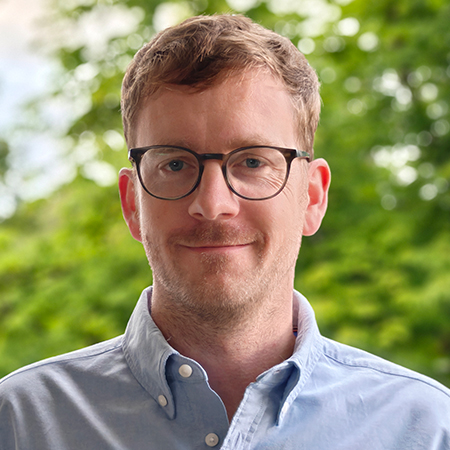
Werner Wiedemann
Remote Sensing Results from REWET: Monitoring seven Open Labs Across Europe
Remote Sensing Solutions
Werner Wiedemann is a cartographer and environmental remote sensing expert with over ten years' experience at Remote Sensing Solutions GmbH. He has been involved in numerous national and international projects across Europe, West Africa and Southeast Asia. His work focuses on Earth observation-based monitoring of forests and wetlands, with particular expertise in peatland ecosystems.
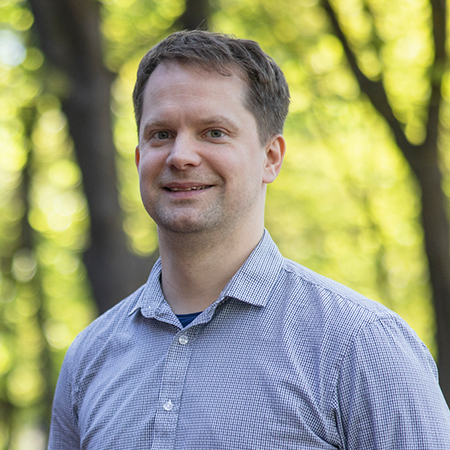
Mikk Espenberg
Microbes on Managed and Restored Wetlands
University of Tartu
Dr. Mikk Espenberg is an interdisciplinary microbiologist whose research integrates microbiology, stable isotopes, and greenhouse gas (GHG) studies to understand nutrient cycling and GHG dynamics across diverse ecosystems. His work focuses on elucidating, modelling, and predicting these processes at regional and global scales using advanced computational approaches, including artificial intelligence (AI)-driven data analysis. He combines fundamental research with practical solutions for stakeholders, supporting evidence-based environmental management and climate mitigation strategies. Dr. Espenberg is an Associate Professor at the University of Tartu (Estonia), a Research Fellow at the University of Aberdeen (UK), and leads the Environmental Microbiology Lab.
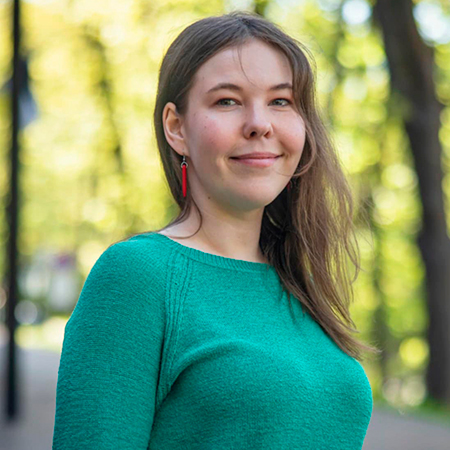
Laura Kuusemets
Microbes on Managed and Restored Wetlands
University of Tartu
Laura Kuusemets is a Junior Research Fellow in Environmental Microbiology at the University of Tartu (Estonia), specialising in microbial ecology and the interactions between microorganisms and their environment across natural and managed ecosystems. Her research combines microbiological approaches with greenhouse gas (GHG) studies to investigate links between microbial communities, nutrient cycling, and GHG dynamics. Her work contributes to advancing knowledge of microbial roles in ecosystem resilience and climate change mitigation.
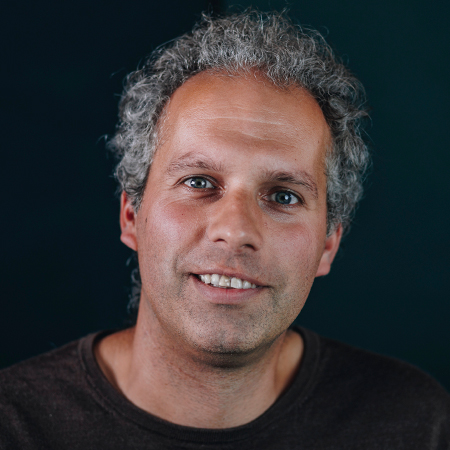
Ralf Verdonschot
Greenhouse Gas Emission Reduction and Biodiversity Preservation Through Wetland Restoration; A Win-Win Scenario?
Wageningen Environmental Research
Ralf Verdonschot is a senior researcher in freshwater ecology at Wageningen Environmental Research, based in the Netherlands. His research focuses on the restoration of aquatic ecosystems, specifically wetlands. By studying wetland ecosystems within their spatial and environmental context, and the associated assemblages of wetland organisms, he tries to better understand wetland functioning and drivers of biodiversity. He uses these insights to assess the effectiveness of restoration and nature-based solutions, aiming at improving wetland ecological quality. As an applied researcher, translating the outcomes of scientific research to water management and policy-making is an important part of his work.
Maud Raman
ALFAwetlands Web platform
Research Institute for Nature and Forest
Maud is a senior ecologist at the Research Institute for Nature and Forest. She coordinates and contributes to projects on ecosystem restoration and ecosystem functioning in relation to environmental pressures and climate change. Her project experience includes river restoration, carbon sequestration in valley landscapes, habitat suitability assessments for plant and animal species, and climate adaptation measures.
Francisco López Guirao
Decision Support System for Wetland Restoration - REWET
IDENER.AI
Francisco López is the main coordinator contact for the project REWET. With a background in Chemical and Environmental Engineering and more than 3 years of experience at IDENER, he serves as both the scientific and administrative coordinator of the project, supporting its technical implementation, consortium management, and reporting activities. His research has focused primarily on the mathematical modelling of greenhouse gas emissions using Eddy Covariance systems, with particular expertise in data analysis. His work combines scientific research with project coordination, contributing to the successful delivery of large-scale European research and innovation initiatives.
Alex Barthelmes
ALFAwetlands- European Wetland map
Michael Succow Foundation
Dr. Alexandra Barthelmes is a Landscape Ecologist and Geodata Expert with the Michael Succow Foundation’s Peatland & Climate working group and the Greifswald Moor Centre, where she coordinates the Global Peatland Database and contributes to international peatland mapping and greenhouse gas emission assessments. Within the ALFAwetlands project Dr. Barthelmes leads the Meta-analyses and Land Use Assessment for Enhancing European Wetland Knowledge Work Package, under which the European Wetland Map has been developed.
Patrick Graf
SOMER: An Assessment Tool for Social Acceptance in Wetland Conservation Context
KU Leuven
Patrick Graf is a Research Associate at the Behavioral Economics and Engineering Research Center (BEE) at KU Leuven. His research focuses on human behavior in relation to nature-based solutions, wetland conservation and restoration, and sustainable decision-making. He is involved in EU-funded research on the social dimensions of ecosystem restoration, with a particular focus on social acceptance, perceived benefits, and stakeholder perspectives. Patrick previously worked as a Junior Consultant in EU public affairs in Brussels, focusing on sustainability, energy, and mobility, and has also served as a lecturer in European Studies in Maastricht.
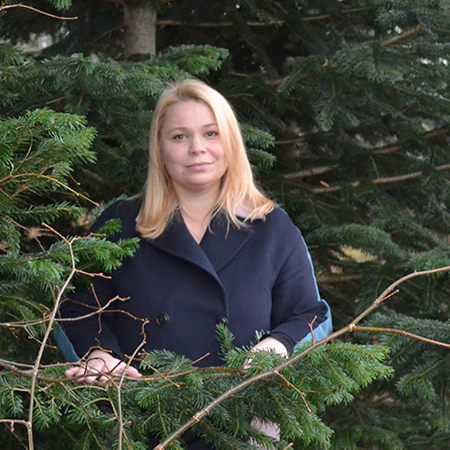
Arta Bärdule
ALFAwetlands - Matrix tool to quantify BES response in Wetlands
Latvian State Forest Research Institute “Silava”
Arta Bārdule is a leading researcher at the Latvian State Forest Research Institute “Silava”. Her research focuses on greenhouse gas (GHG) fluxes and carbon budget estimation at the ecosystem level and for ecosystem components (particularly soil), primarily in forest and wetland ecosystems, but also in other types of ecosystems with both mineral and organic soils (e.g., agricultural land, afforested areas, and restored ecosystems). Her research group has obtained a substantial GHG measurement dataset covering different ecosystems (both managed and pristine) across the hemiboreal region, various environmental conditions, and management practices. The group is working to improve the understanding of, and reduce uncertainties in, the effects of different land management practices on GHG emissions and the carbon balance.
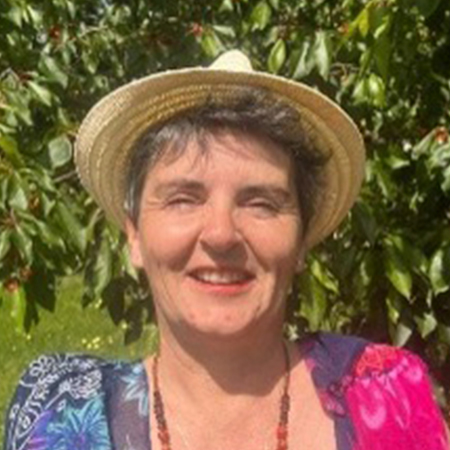
Sabine Sauvage
ALFAwetlands - Matrix tool to quantify BES response in Wetlands
French National Centre for Scientific Research
Sabine Sauvage is a Senior Research Engineer at the CNRS (French National Centre for Scientific Research). Her research focuses on water resources, watershed modelling, and ecosystem resilience under climate and human pressures. She has authored more than 180 scientific publications, coordinated numerous European and international research projects, and leads the Biogeochemistry of Ecosystems (BIOECO) team at the Research Centre on Biodiversity and the Environment (CRBE). A recipient of the CNRS Crystal Medal, she is internationally recognised for her contributions to environmental modelling, scientific software development, and sustainable water management.
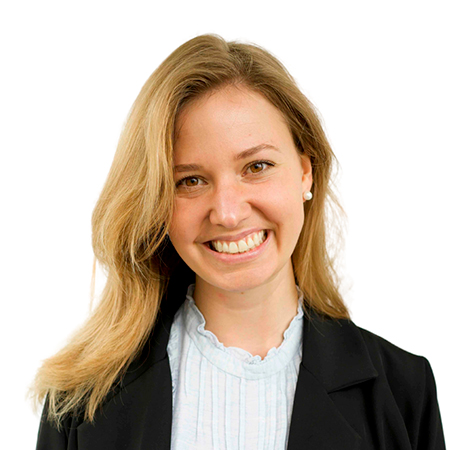
Lisa Wiatschka
Restoration Readiness Level Framework –REWET
Bax Innovation
Lisa is an Innovation Project Lead at Bax Innovation in Barcelona, driving international project development and management across ecosystem restoration, agricultural innovation, and European climate policy. With a focus on both marine and terrestrial environments, she has led key initiatives including the early development of the European Peatlands Initiative on behalf of the Irish Government.
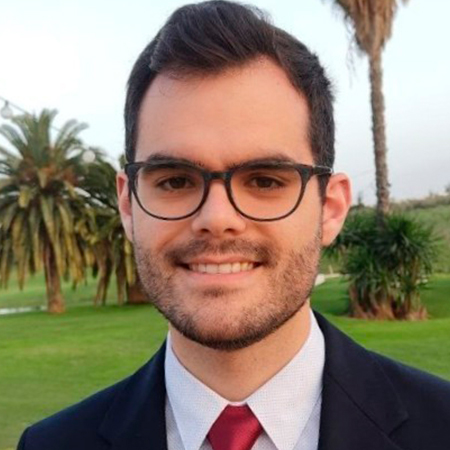
Carlos Sánchez García
WETSET: A Central Hub for European Wetland Data - REWET
IDENER.AI
Carlos Sanchez is a Project Coordinator at IDENER.AI with a background in chemical engineering and expertise in strategic project management. As the leader of Work Package 3 in the REWET project, he contributed to the identification and characterisation of key European datasets to build a centralised wetland inventory (WETSET). Carlos also led the feature conceptualisation of the WETSET Tool, integrating multi-scale data. His focus is on the coordination of international research teams to translate complex environmental data into practical tools.
Address
Boulevard du Roi Albert II 15
Brussels, Belgium